War of 1965 - Sajad Haider

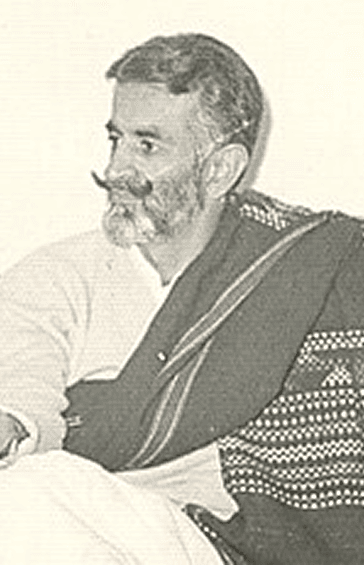
S. Sajad Haider

War of 1965

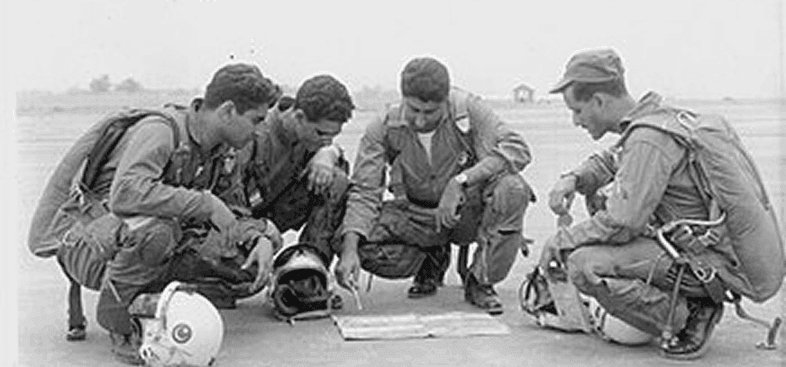
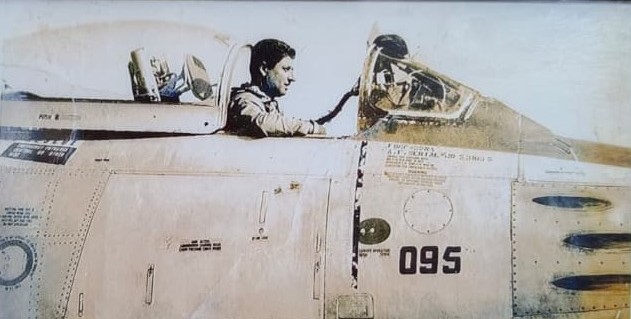
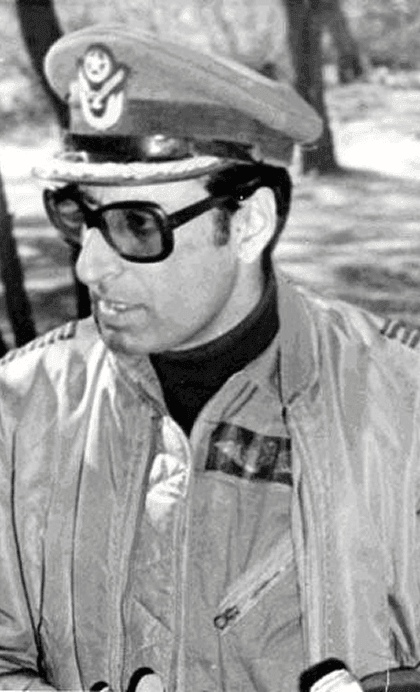
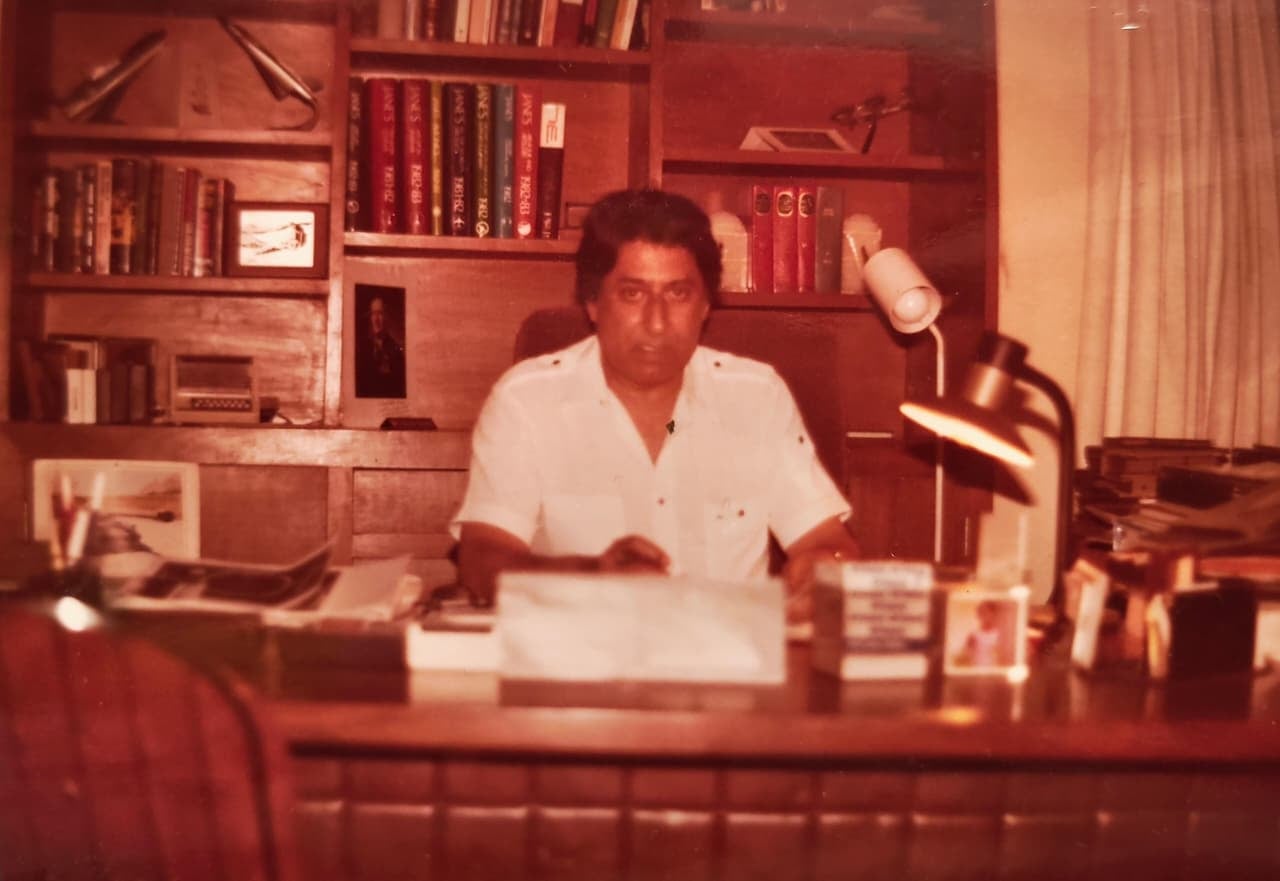
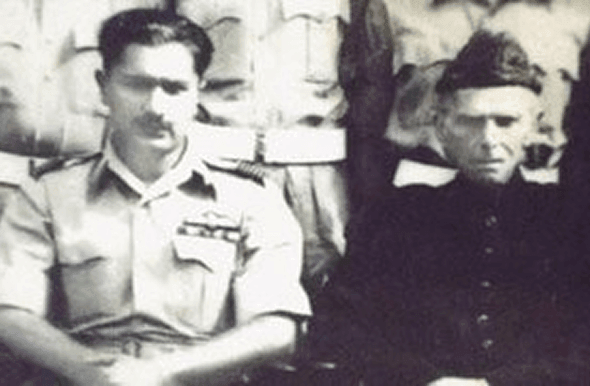
Sajad Haider often lauded as the Saviour of Lahore and one of the key heroes of the 1965 War, led the Sherdils of No. 19 Squadron PAF as Squadron Leader.

War of 1965

Sajad Haider's view on the 1965 war

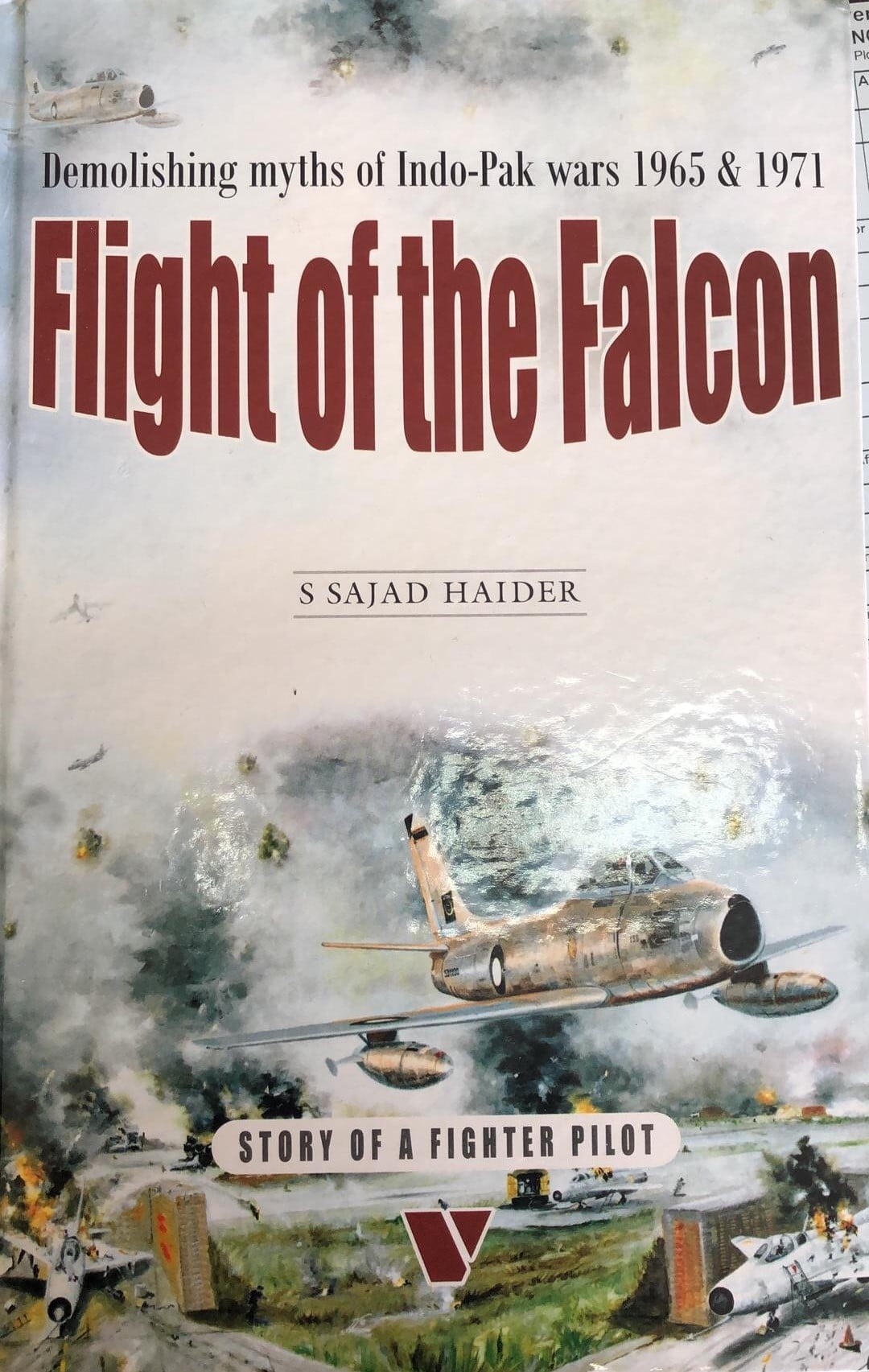
Haider viewed the '65 war as a disastrous military failure driven by the egos and incompetence of Pakistan's leadership, particularly President Ayub Khan. He criticised Operation Grand Slam, which failed due to strategic missteps and leadership confusion, including the removal of General Akhtar Malik just before a crucial attack. The PAF, despite efforts by Musa Khan to keep them out of the loop, demonstrated effective leadership and tactical prowess, playing a key role in defending Pakistan. Haider argues that Pakistan owes its survival to the bravery of its soldiers and not its leaders, emphasising the need to acknowledge past mistakes to ensure a better future.

Rann of Kutch Skirmish

The PAF had been told to sit the skirmish out due to distance and the defensive depth of the Indian position. Had the IAF committed their forces to the fight, he wrote, the Pakistani army would have been decimated, but Air Marshal Asghar Khan negotiated with the IAF to keep both air forces out of the combat to minimise losses, and this was one of the reasons why the IAF didn't enter this skirmish, the other being poor intelligence of Pakistani air bases.

War Clouds

On 28th June, Sajad Haider and the PAF command chain discussed strategies regarding plans of attack: war was brewing, and the element of surprise was integral. In the event of an attack order, Sajad was to lead the largest single attack with 16 F-86 aircraft against Ambala airfield. However, due to the military keeping operational intelligence from the PAF, they were unable to lead an attack and had to defend Lahore and Sialkot, and were thus unable to strike pre-emptively as was their plan, only going on high alert in August.

Internal struggles in Pakistan's Military

Sajad wrote that Asghar Khan's role was overlooked by General Musa, suggesting that cowardice was the reason for Asghar not wanting to commit the PAF forces. The real "chicken", as per a classified report by the US Air Attache on May 15 1965 that detailed an intrusion by the IAF near Lahore's airspace, showed Ayub Khan as the one who refused retaliation against the IAF, fearing escalation. The Indian craft was able to complete its intelligence gathering mission and returned to India, and the "PAF was livid". This was part of the key information that allowed "Op Ablaze" to go forward in September 1965.

Pathankot Strike

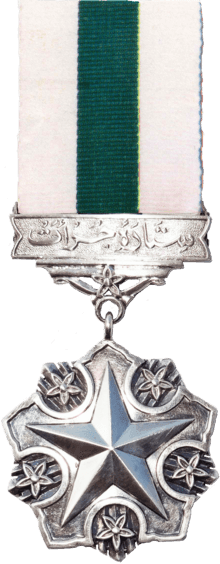
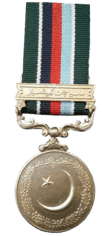
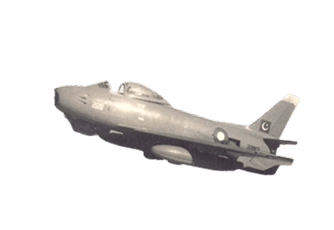
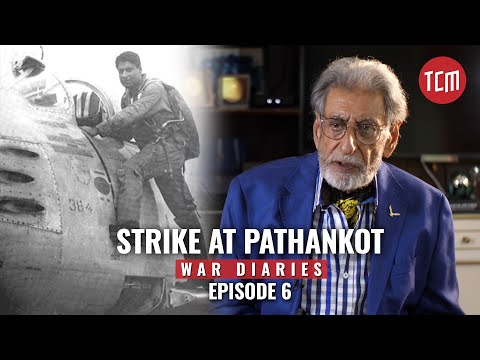
On 6 September 1965, Sqn Ldr Sajad Haider led a formation of eight F-86 Sabres from No. 19 Squadron in a pre-emptive strike against the Pathankot airfield, a mission that remains one of the most successful in PAF history. Utilising a Hi-Lo-Hi flight profile to avoid detection by Indian radar, the formation achieved complete surprise, reaching the target area at the precisely coordinated time of 17:05 hours. Upon arrival, Haider spotted numerous aircraft, including Mystères and two MiG-21s, parked in the northern dispersal area. Although the original orders specified a single pass, Haider directed his pilots through three devastating strafing attacks, using their .50 calibre guns to ignite an inferno on the ground. According to IAF records confirmed by the sources, the raid resulted in the destruction of ten aircraft—specifically six Mysteres, two MiG-21s, one Gnat, and a Fairchild Packet—while damaging three others. Despite facing a "wall of flak" from heavy anti-aircraft guns, the entire ten-ship formation, including the two tactical escorts, returned safely to Peshawar, an achievement that contributed to Haider being awarded the Sitara-e-Jurat.

Wagah Border

Before the attack, the Indian Army high command was so confident that they reportedly issued invitations to journalists for a celebration at the Lahore Gymkhana, an audacity that was crushed when Haider’s formation intercepted their leading columns at the Wagha border. Upon spotting the Indian roundels on the tanks, Haider ordered his pilots to set their weapons to "hot" and aggressively engaged the armour with rockets and guns. The squadron remained over the target for roughly 17 minutes, conducting devastating runs that incapacitated the Indian 3 Jat battalion and destroyed mortars, RCL guns, and numerous tanks. Sources confirm that this intervention was the decisive factor that stalled the Indian advance, preventing the enemy from pouring across the BRB canal into the city and earning the 19th Squadron a legacy as the force that saved Lahore.

Flight Logs

Flight Logs - Historical Image 1Flight Logs - Historical Image 2Flight Logs - Historical Image 3