
Sajad Haider - Saviour of Lahore | Pakistan Air Force Hero
S. Sajad Haider
A True Hero
S. Sajad Haider
A True Hero
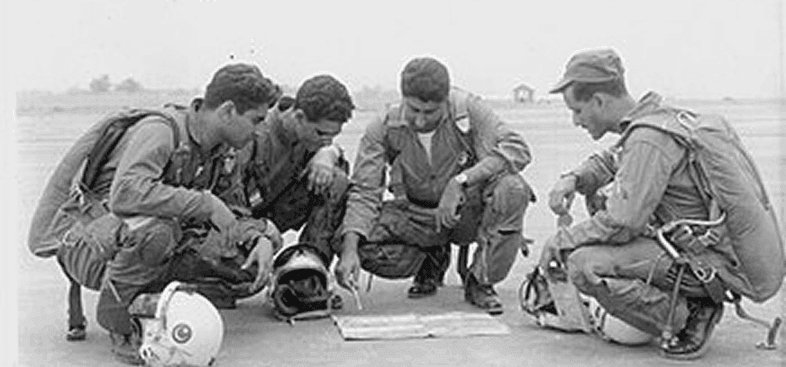
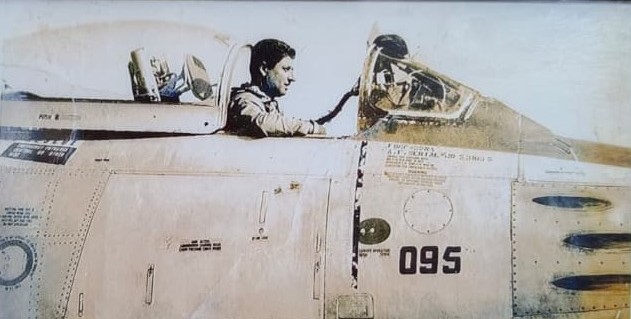
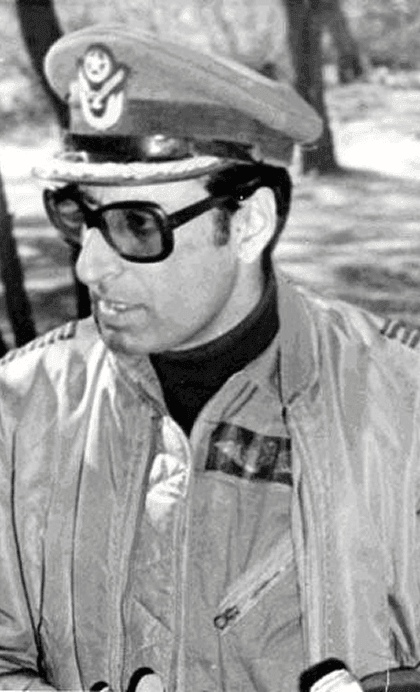
Combat Achievements
AWARDS
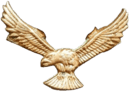 Golden Eagle
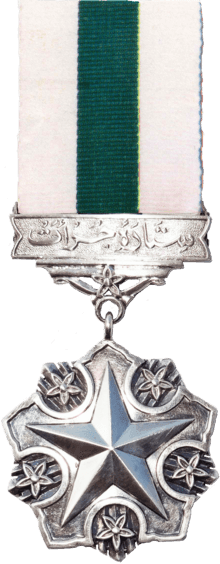 Sitara-e-Jurrat
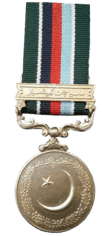 Tamgha-e-Diffa
 Sitara-e-Harb 65
 Sitara-e-Harb 71
 Tamgha-e-Jang 71
 Tamgha-e-Jang 65
S. Sajad Haider
The Businessman
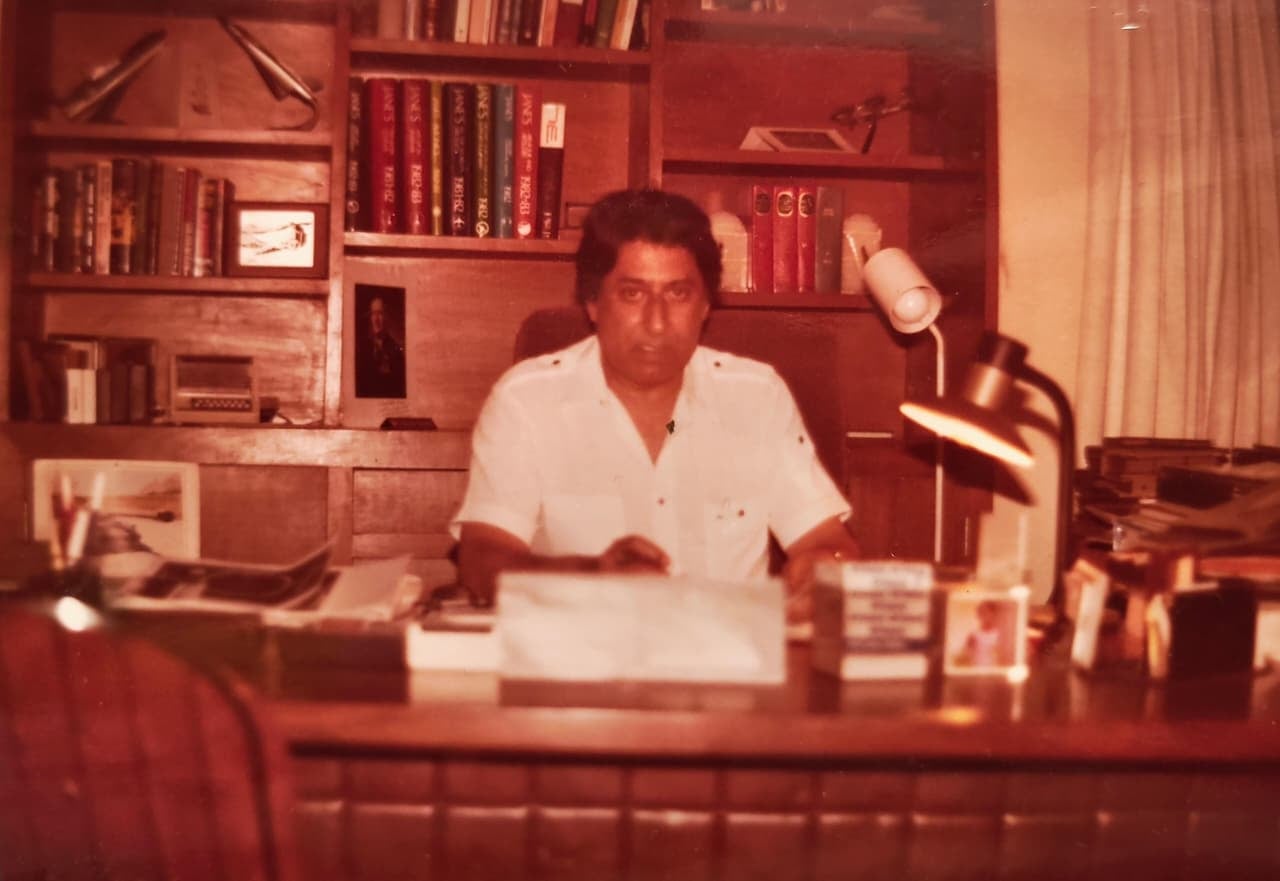
“Sajad Haider is real and forever hero of 1965 air war.”
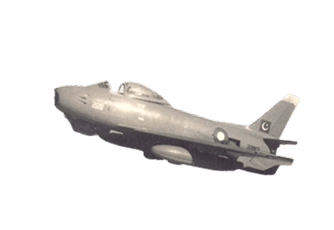
WORLD RECORD LOOP OF 1958
On 2 February 1958, flying in the No. 3 position, F/L Haider was part of the 16 F-86 Sabres aerobatic team led by Wg. Cdr. Mitty Masud that set a world record performing a 16-aircraft diamond loop.

Credit: S.M. Hussaini, PAF
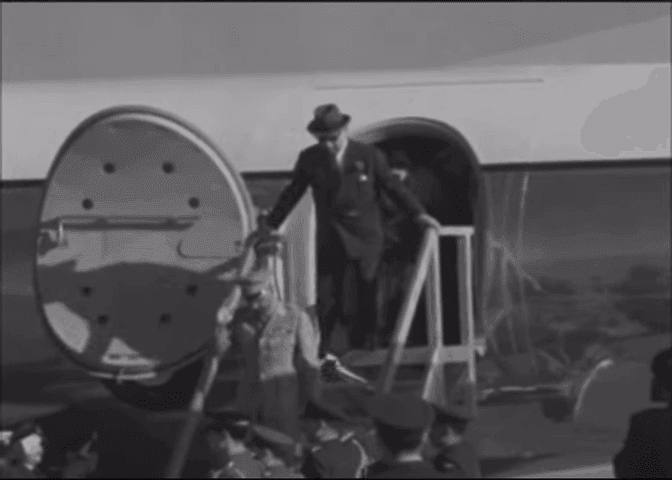
DIAMOND LOOP
16x F-86 SABRES
Feb 9, 1958
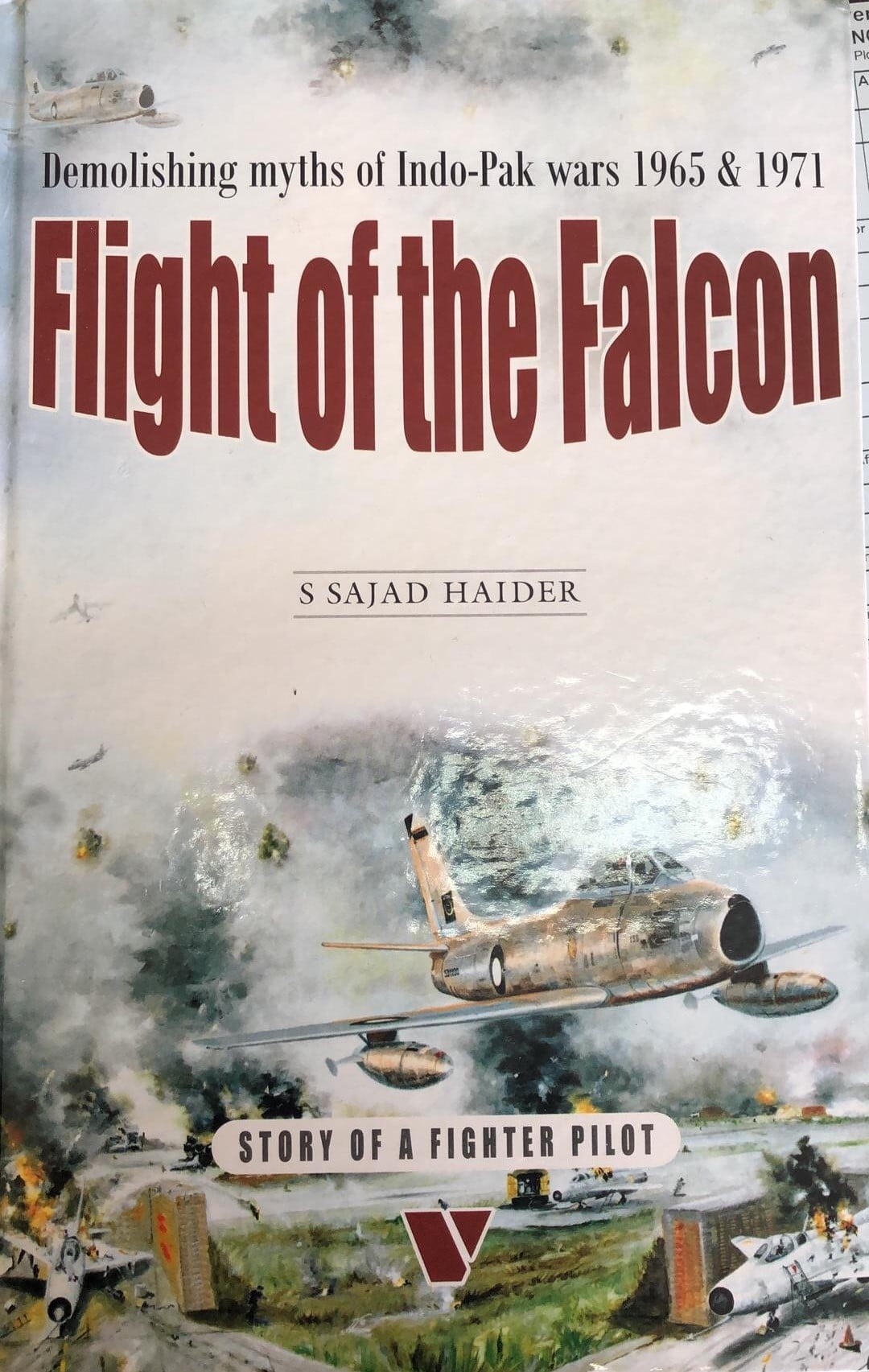
Demolishing Myths of Indo Pak Wars 1965-1971
Biography by
S. Sajad Haider
MEDIA ARCHIVE






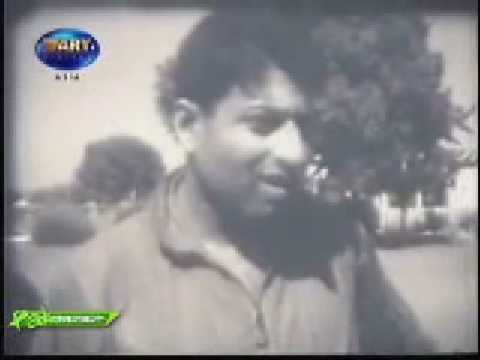


FORMATIVE YEARS
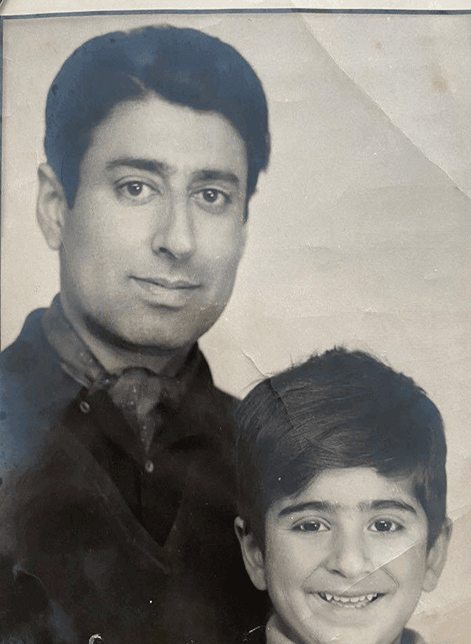
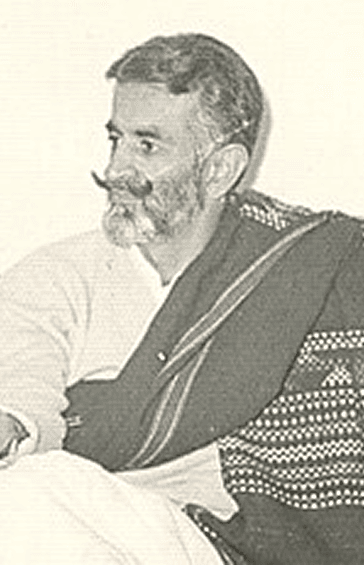
Sajad Haider spent most of his early life within a tin-roofed home, two of which were gifted to his father by Nawab Mehran Khan Bugti in a complex of eight houses that he’d built. He grew up with Akbar Bugti and his siblings, and remembered Akbar as a "stunning and fearsome person" who always called him chapeit or scrawny boy. He lived around people from various cultures and religions, and recalled life in that multicultural setting as “wonderful and uncomplicated”.
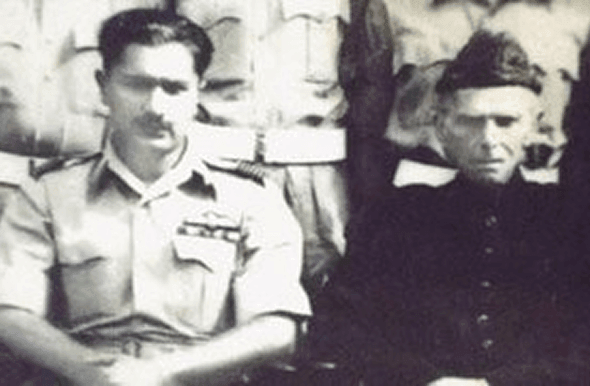
As a teenager, he aspired to follow in the footsteps of his hero, Quaid-e-Azam, who he saw at his old school in Quetta, sitting just ”An arm’s length away… (he) sat on the floor of the stage and gaped at the founder in sheer awe”, sparking the seed of his ambition to become a defender of Pakistan.